
Concrete preparation
What happens to the slab before any commercial system goes down, and what a proposal should specify.
Visit pageCommercial and industrial floor coating guidance, with residential garage flooring resources
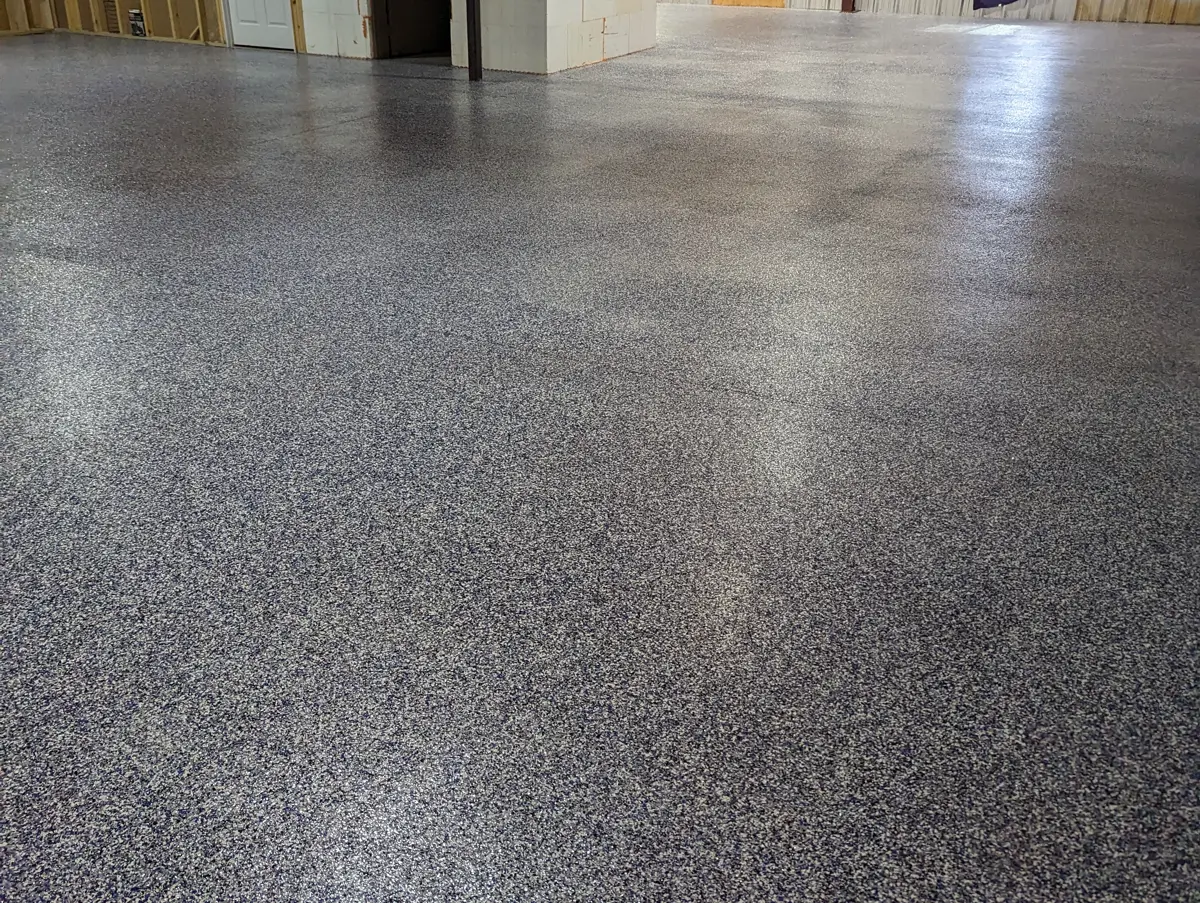
Commercial flooring
A commercial floor is part of how a building runs. It affects cleaning routines, how a space reads to customers and staff, what happens when something spills, and how long an area has to close when the floor is replaced.
So the useful question is not which coating is best, but what this floor has to survive. Epoxy Pro Leads does not install flooring or specify systems; the contractor and the manufacturer do that, using the conditions on your site.
The environment, the slab, and the operating schedule narrow the options before chemistry does.
Chemical and slip performance belong to specific products, not to coating categories.
A proposal should describe the system layer by layer, not just name a finish.
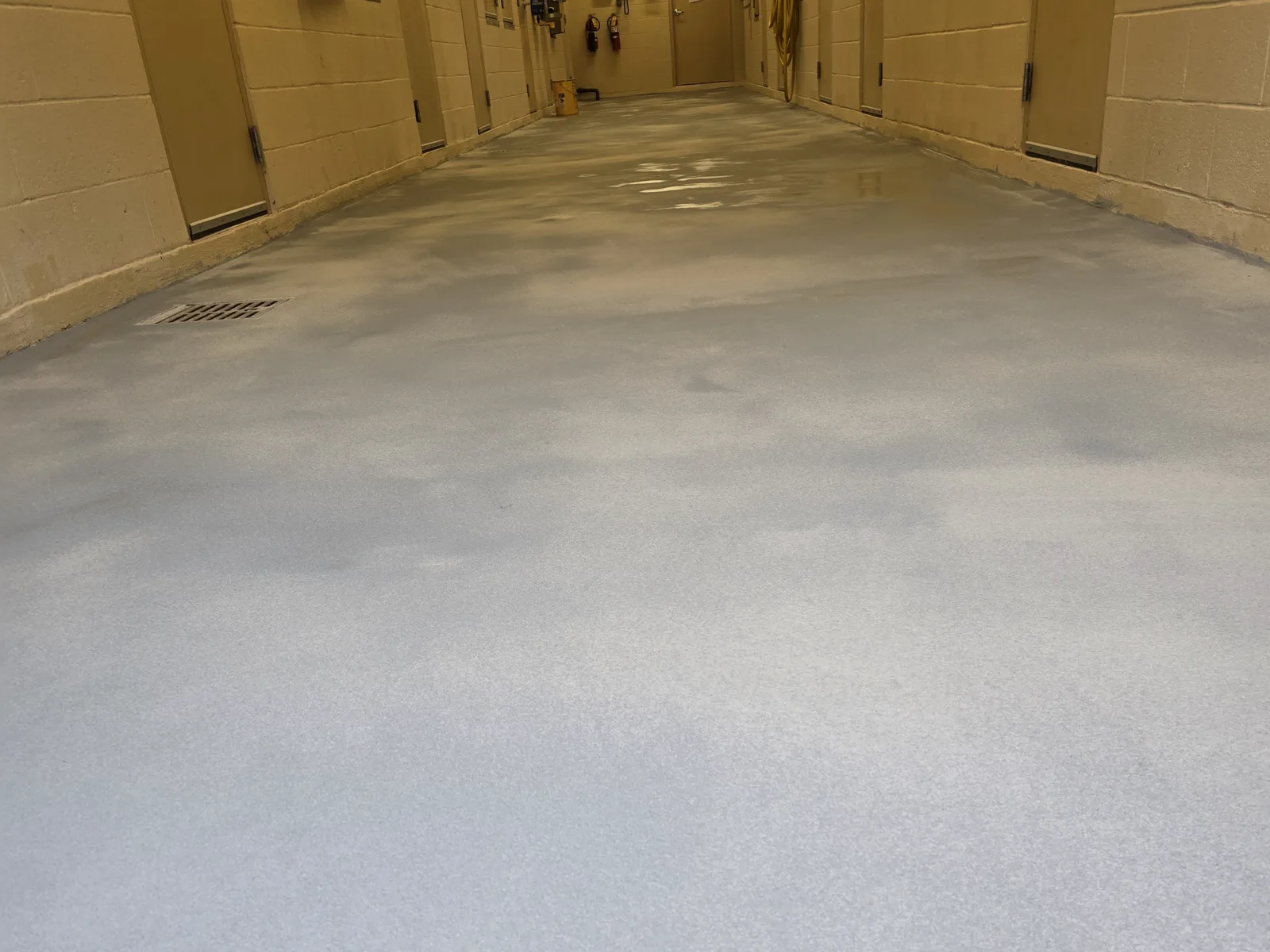
The starting point
In a working building the floor is rarely chosen for looks alone. It affects how quickly a spill can be dealt with, how easily the space cleans, how much disruption a replacement causes, and how the area reads to anyone walking through.
Those consequences last far longer than the installation, so it is worth deciding what the floor has to do before anyone talks about products.
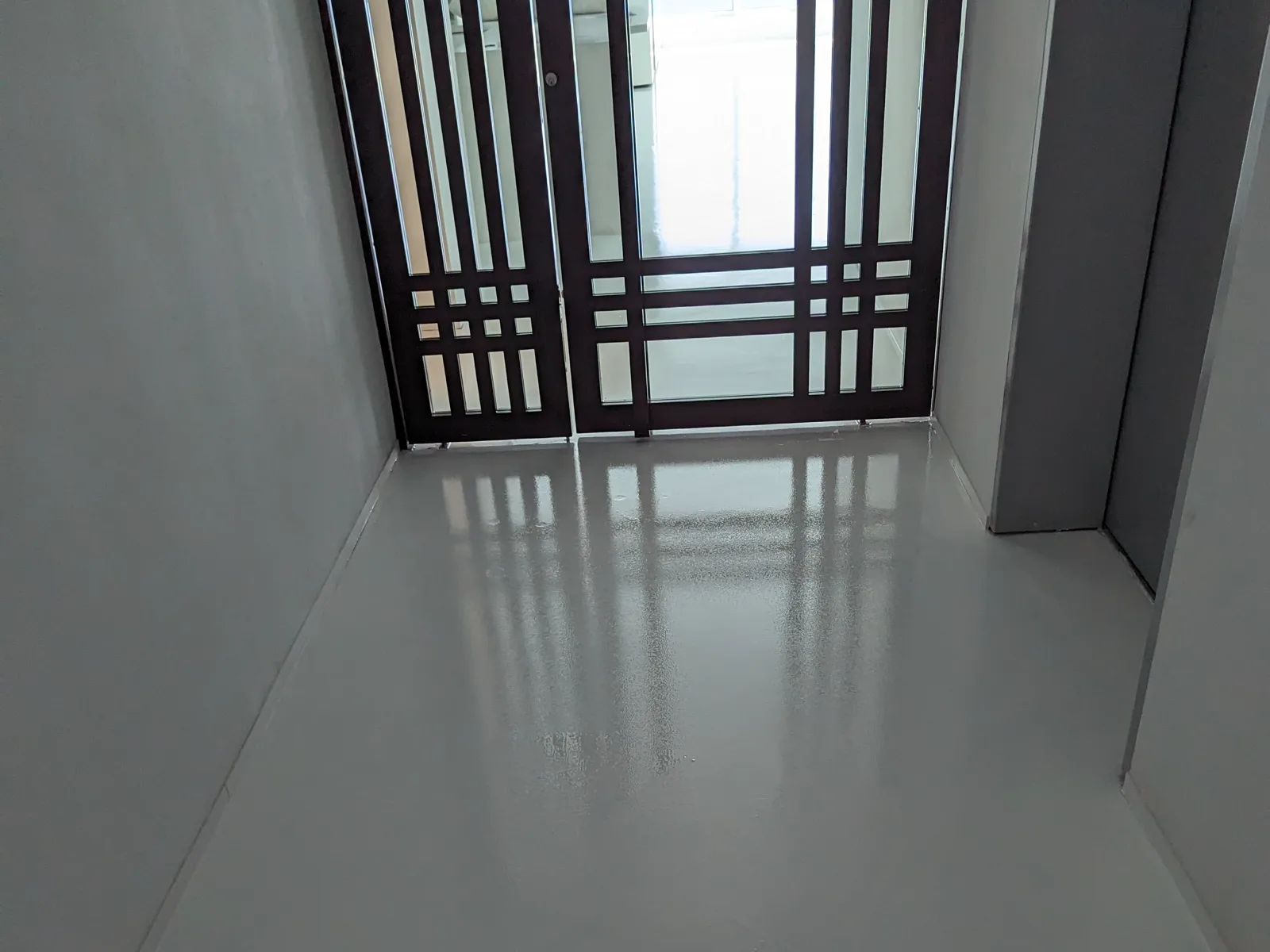
Where they are used
Resinous coatings turn up in retail floors and showrooms, service areas and workshops, warehouses, corridors and back-of-house routes, maintenance rooms, and light industrial space. What they share is a concrete slab and a job the floor has to do.
They are not universally appropriate. A system that suits a showroom can be the wrong answer down the corridor, and matching each area is the contractor's work. It is reasonable to expect a proposal to explain the choice.
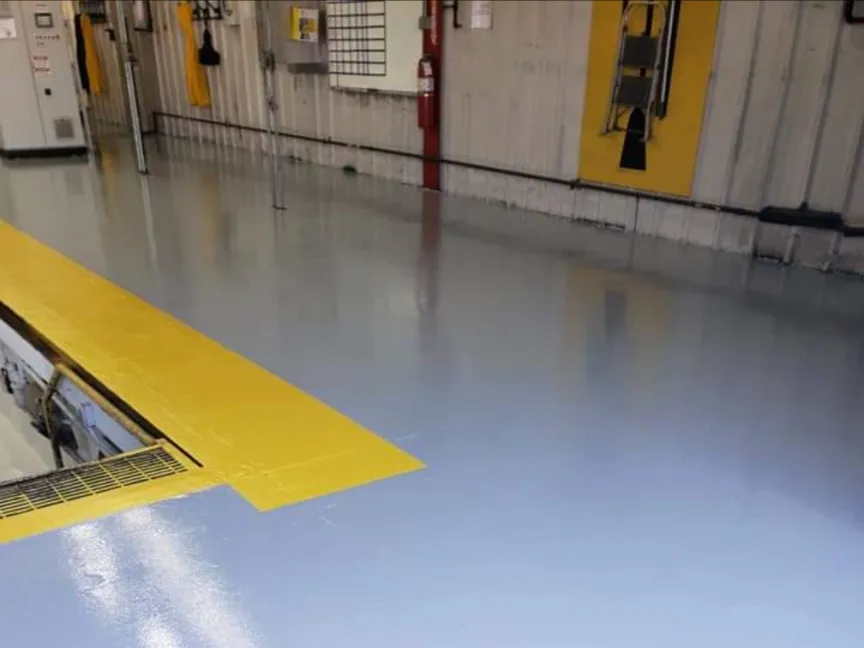
Exposure
Exposure narrows the options. Foot traffic behaves differently from pallet jacks and forklifts, and hard small wheels concentrate load in a way soft tyres do not. Standing water, wash-down, sunlight through a door or window, oils and cleaning chemicals each raise separate questions.
Listing the exposures honestly, including the occasional ones, gives a contractor something to design around. It also makes competing proposals comparable, because they answer the same brief.
Substrate
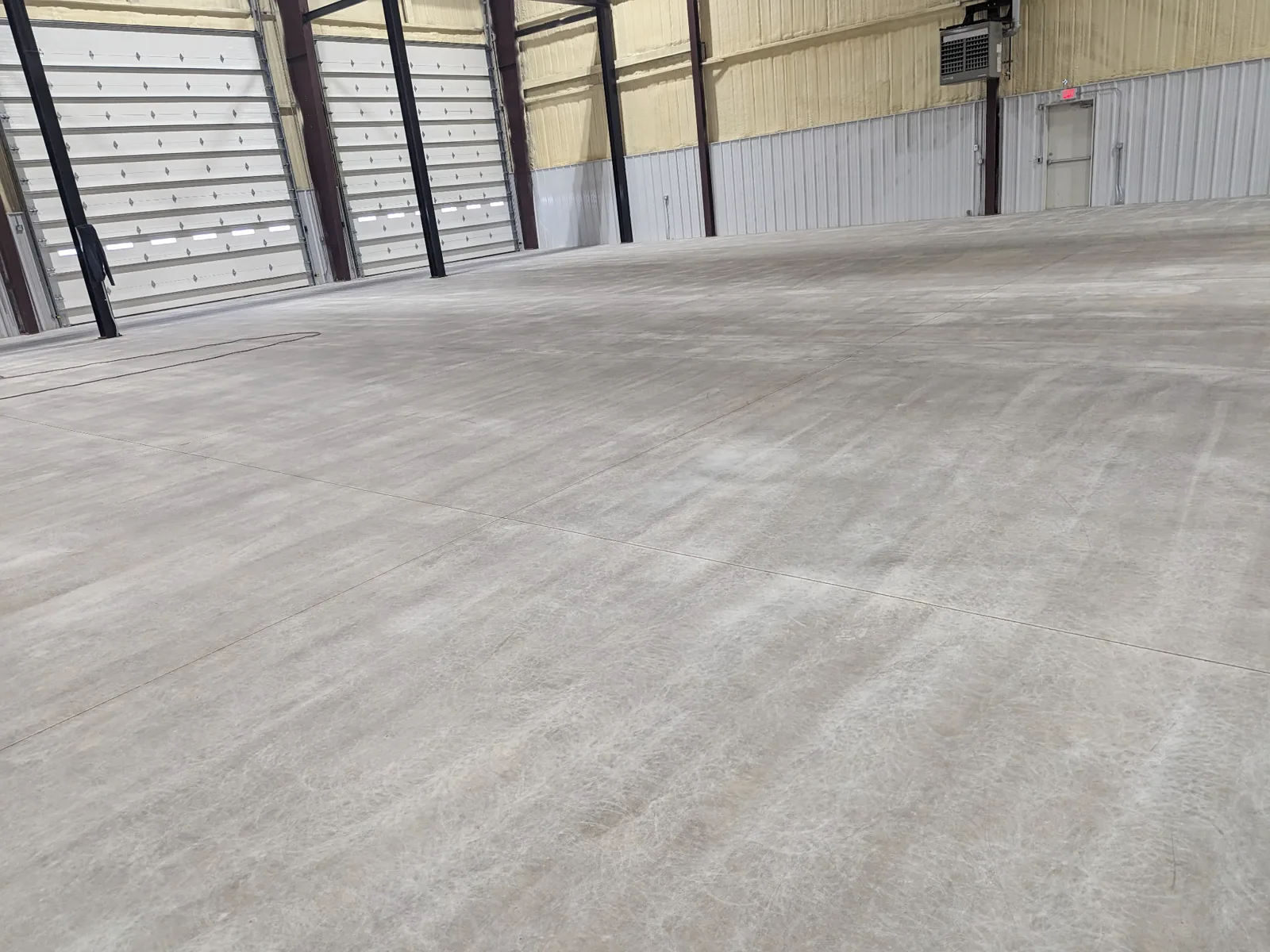
A coating can only perform as well as the concrete under it allows. Slab condition, moisture, contamination and previous floor coverings all affect what can be installed, and none of it is fully known until preparation starts.
This is the most common reason a commercial floor disappoints, and it has its own page.
System build
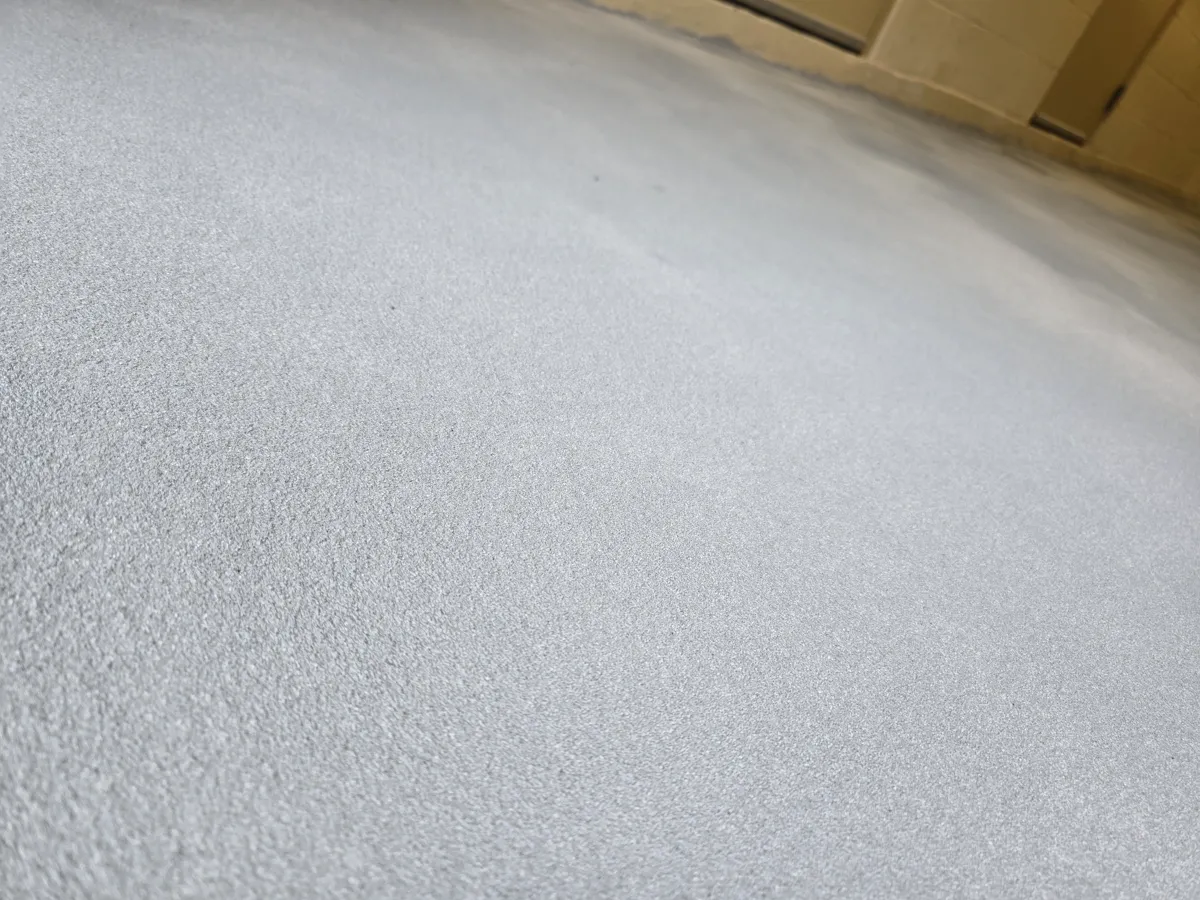
Most commercial systems combine the same roles: a primer where the substrate calls for one, one or more build coats, decorative or aggregate media where texture or appearance requires it, a grout or seal coat, and a finish coat at the surface.
Not every project uses every layer. A smooth solid colour, a broadcast flake or quartz surface, and a decorative metallic are different builds serving different priorities. The layer count and the products belong to the contractor's specification, not to a general rule.
Wear
Durability is not one property. Abrasion resistance, how visibly a surface scratches, how easily it cleans and how much maintenance it needs are separate things, and a floor can do well on one and poorly on another.
A darker or higher-gloss surface shows scuffing and dust sooner than a lighter or textured one, which is a maintenance question rather than a durability one. No chemistry is most durable in every respect; the honest comparison is between named products against your conditions.
Chemicals
There is no chemically resistant floor in the abstract. Resistance is a relationship between one product and one substance at a given concentration, temperature and contact time, and manufacturers publish that data for their systems.
If the space sees cleaning agents, oils, fuels, solvents, acids or anything used in a process, list them and ask to see the published chemical-resistance data for the product proposed. That is more useful than asking whether epoxy or polyurethane is better.
Schedule
For a business the cure period is closed floor space, so schedule often influences system choice as much as performance does.
Actual return-to-service timing comes from the products installed and the conditions on site. It should be given to you in writing for your floor rather than taken from a general figure.
Finish
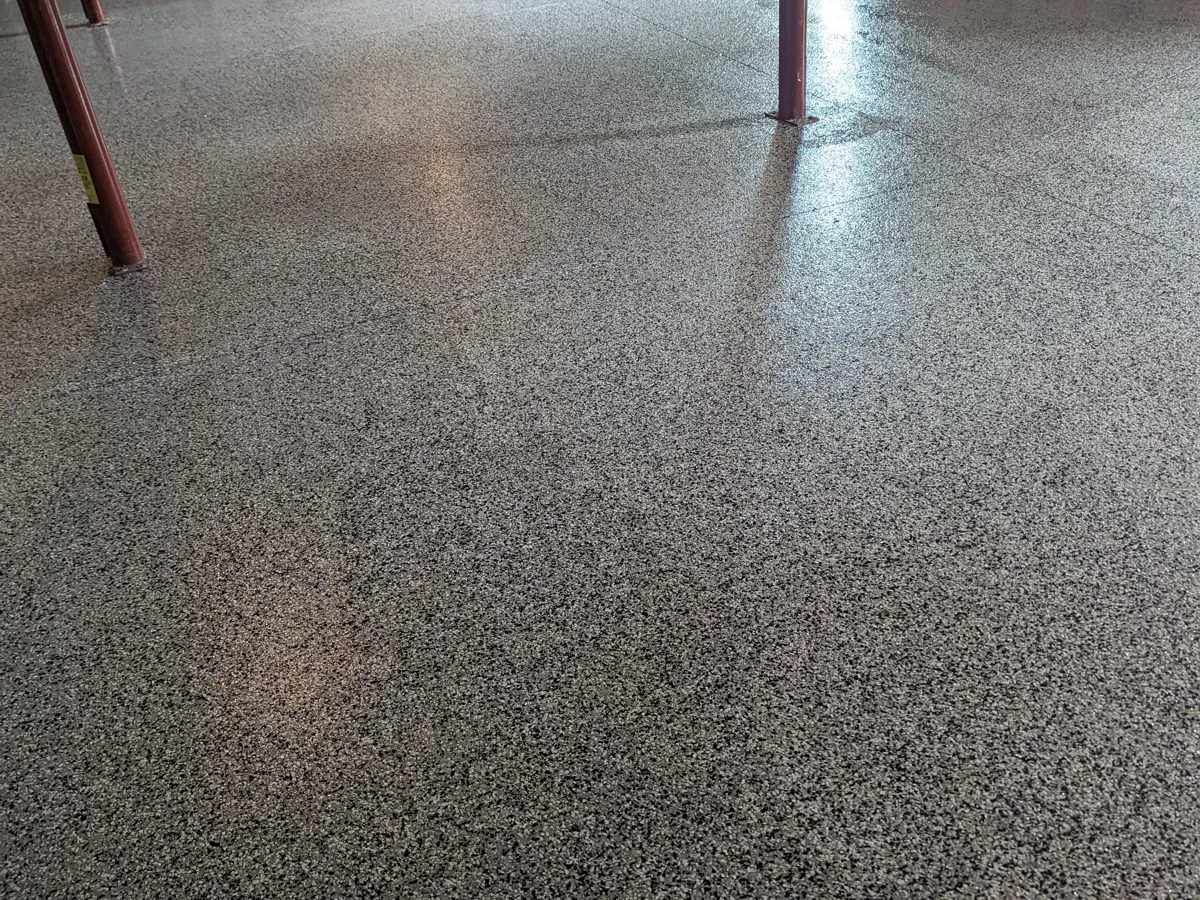
A high-gloss finish reflects light and reads as clean, and it also shows scuffing sooner. Broadcast flake or quartz hides marks and adds texture, and that texture holds onto soil a smooth floor would release.
Texture is often discussed as a safety measure. Where a floor may be wet it is part of that conversation, but slip performance depends on the finish, any additive, the cleaning regime and footwear, so it belongs in the specification, not in a general claim.
Scope
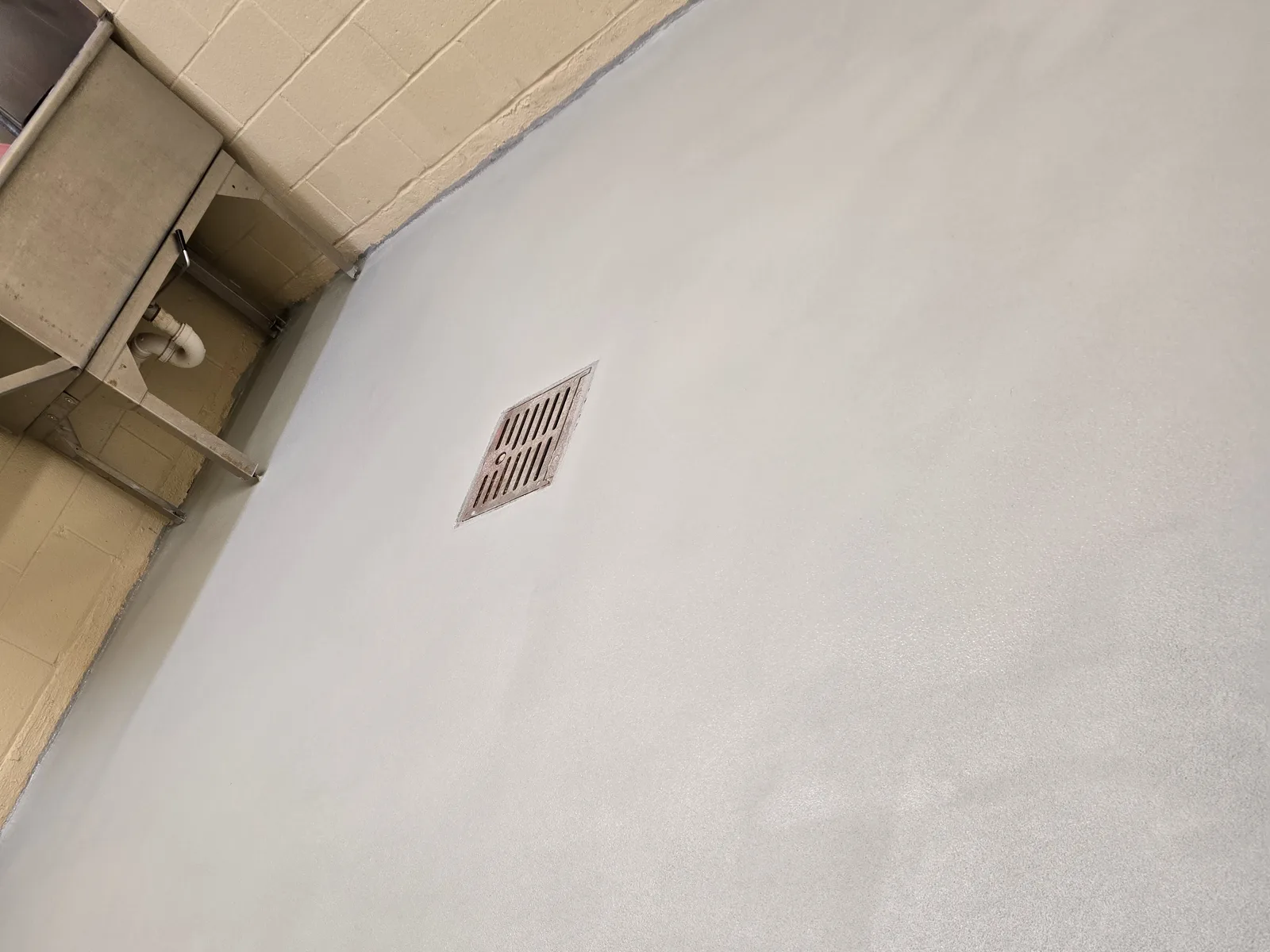
Two projects of the same size can differ substantially in scope. Removing an existing floor, poor slab condition, repairs, drains and coving, tight access, equipment that cannot move, and restricted hours all add labour and time.
Occupied buildings add the most. Phasing so a business keeps running usually costs more than closing the area, which is worth deciding deliberately rather than discovering later.
Checklist
A proposal is easier to compare when it answers the same questions as the others.
Next step
Epoxy Pro Leads is an independent education and contractor-introduction resource. We are not the installer, we do not employ crews, and we do not price, specify or inspect your floor.
When you send a request we read the details, and where it is a fit we pass it to one contractor who works in your area and takes that kind of project.
Related pages
What happens to the slab before any commercial system goes down, and what a proposal should specify.
Visit pageHow the common chemistries differ, and why the answer depends on the space rather than the name.
Visit pageThe failure modes worth understanding before you compare commercial proposals.
Visit pageNext step
Share the project type, concrete condition, space use, and timeline so Epoxy Pro Leads can help route the request toward a qualified contractor conversation.
Submitting a request does not obligate you to hire a contractor.